

Everything You Need to Know About Sprained Ankles
Rolled your ankle? Learn how to treat, strengthen, and prevent sprains with practical tips and expert advice from Summit Orthopaedics in Idaho Falls.
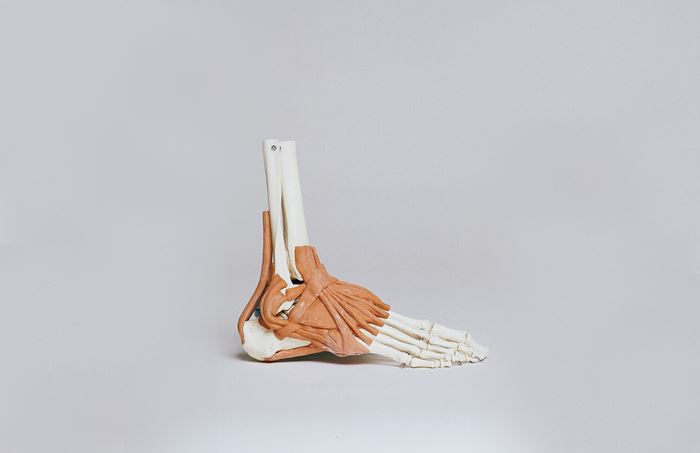
Have you ever stepped off a curb wrong or slipped on a slick surface and ended up rolling your ankle? Rolling or overstretching the ankles can end up being a sprain if the ligaments in your ankle are pulled hard enough. Sprained ankles are a popular problem—they can happen almost anywhere and to anyone, though they seem to be most common for athletes. Since ankle sprains typically tend to happen when you're running or jumping, volleyball, soccer, and football are the top sports where athletes are likely to experience an ankle sprain, a common type of sports injury we treat regularly.
Levels of Ankle Sprains
There are three levels to how serious the sprain can be.
- No ligaments in your ankle are torn and you are still able to walk. However, your ankle is experiencing swelling and stiffness.
- Your ligaments are not completely torn, but walking is painful and the ankle is tender to the touch. Your ankle is also swollen and stiff.
- There are complete tears in the ligaments which makes the ankle feel unstable, not allowing you to walk. You will feel intense pain with severe swelling and bruising.
No matter the severity of your sprain, you should treat your ankle right away.
At-Home Ankle Sprain Treatments
Staying off your ankle is the most important factor for a proper heal. We recommend using the R.I.C.E method of recovery, especially for mild to moderate ankle sprains.
- Rest. Take a break and lie back.
- Ice. Applying ice to your injury will lower the swelling.
- Compression. Compression will also reduce swelling by wrapping the injury—just don't wrap too tight!
- Elevation. As you rest, keep your ankle above the level of your heart to drain out excess fluid from your ankle.
You can also take over-the-counter pain medications, like ibuprofen, to alleviate your pain.
When to See a Doctor
If you cannot walk on your ankle and your pain feels extreme, it's time to go to the doctor. Your doctor can take an x-ray of your ankle (if the site isn't too swollen) and perform a physical exam to determine if any ligaments have been torn and how serious the injury is. You should also see your doctor if your pain continues and you fear your ankle is healing improperly. However, please note that injuries like these will take time to heal so you must be patient.
Strengthening an Injury
Though it may seem counter-intuitive, for your ankle to heal well and be strong enough to lift your body, you'll need to perform some stretches while you are recovering. You can use an elastic band on your ankle to pull it towards you or flex it back, you can write the alphabet in the air with your foot, or you can stand against a wall to stretch it. These non-invasive and conservative treatment options are often enough to fully restore strength and mobility without surgery.
Preventing a Sprained Ankle
You can't predict every time you are going to fall, but you can be ready in case it does. First, start by wearing supportive shoes and watching where you walk. For example, wearing heels when it's icy outside isn't the wisest choice. Instead, wear something sturdy, like boots. Custom orthotics and bracing can also provide extra ankle support for those prone to sprains. You can also prevent a sprained ankle during exercise by taking the time to warm up first. During your workout, pay attention to your body. If you feel worn out or in pain, stop—you don't want to put yourself at risk for an injury.
Sprained ankles are common, so if you get one, don't panic. We are here to help you heal.
Related FAQs
Ankle sprains usually occur when the foot twists or rolls suddenly, overstretching or tearing the ligaments that stabilize the joint. This can happen during sports, walking on uneven ground, or slipping on a slick surface.
Mild sprains cause swelling and stiffness but still allow movement. Moderate sprains involve partial ligament tears and pain when walking, while severe sprains include complete tears, instability, and intense bruising or swelling. If you can’t put weight on your ankle, see a doctor at Summit Orthopaedics in Idaho Falls.
R.I.C.E. stands for Rest, Ice, Compression, and Elevation. Rest the ankle, apply ice to reduce swelling, use a compression wrap for support, and elevate your ankle above heart level to promote drainage and healing.
Wear supportive shoes, warm up before activity, and avoid uneven or slippery surfaces when possible. Strengthening the ankle and improving balance through physical therapy can also lower your risk of reinjury.
Need more information?
Our team is ready to answer your specific questions and concerns
Related Posts


Schedule an Appointment
Don’t let pain or injury limit your life. Whether you need expert evaluation, advanced treatment, or a caring team to guide you, Summit Orthopaedics is here for you. Contact us today to schedule an appointment at our Idaho Falls office.