

Expert Care for Joint Surgery Revision
Our revision surgery team specializes in diagnosing and correcting complications from prior joint procedures—restoring function, reducing pain, and helping you reclaim mobility.
Common Injuries We Treat For Surgery
Joint replacement surgery is recommended when joint damage has become too severe for non-surgical options. Revision surgery becomes necessary when a previous joint replacement develops complications or fails over time.
Some of the common conditions we address include:
Infection around the joint (prosthetic joint infection)
Persistent pain or limited function after initial surgery
Malalignment or improper implant positioning
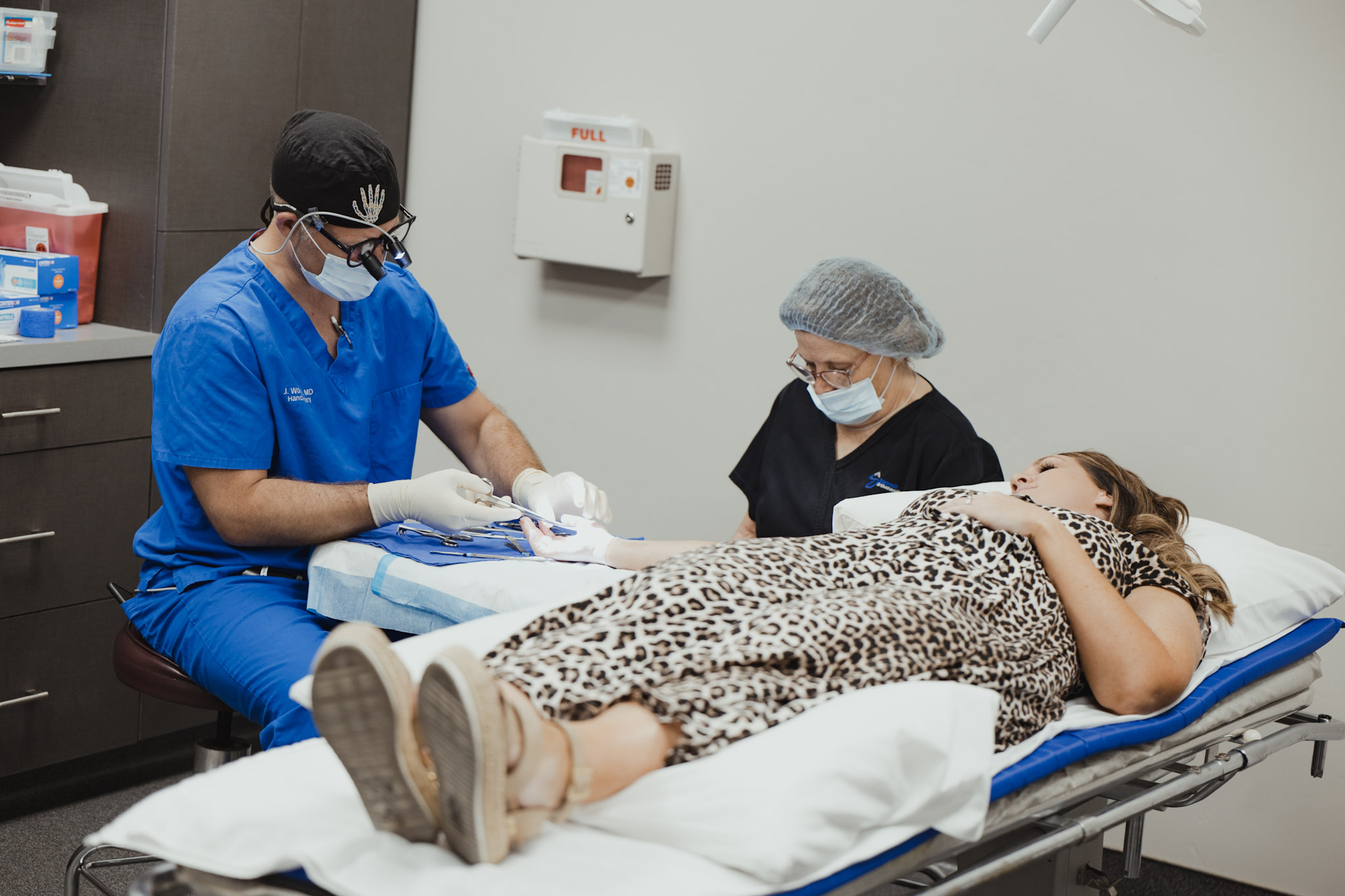
Treatment Options
At Summit Orthopaedics, our board-certified surgeons evaluate each patient individually to determine the most effective approach. Because revision surgery is more complex than primary replacement, our approach is tailored, carefully planned, and executed by experienced specialists.
Accurate Diagnosis
Every plan begins with a thorough exam and the right imaging (X-ray, MRI, etc.). When needed, we also perform tests like EMG to evaluate nerve function.
Advanced Interventions
If symptoms persist, we offer minimally invasive procedures and surgical options — including ACL and shoulder repairs, spine surgery (cervical or lumbar), and joint preservation or replacement.
Special Programs & Technology
For qualifying patients, we use advanced options like motion-preserving implants (e.g., Mobi-C cervical disc) and robotic-assisted surgery for greater precision and faster recovery.
When To Seek Care
Summit Orthopaedics stands as a beacon of hope for patients seeking advanced orthopedic care in Idaho Falls. Our team of skilled surgeons combines decades of experience with cutting-edge medical techniques to deliver precise, compassionate treatment.
Signs of infection (fever, drainage, systemic symptoms)
Instability or recurrent dislocations
Increasing pain in a joint that had been stable
Loosening detected on imaging or shown by your surgeon
.jpg)
Schedule an Appointment
Don’t let pain or injury limit your life. Whether you need expert evaluation, advanced treatment, or a caring team to guide you, Summit Orthopaedics is here for you. Contact us today to schedule an appointment at our Idaho Falls office.
FAQs
Common questions about our orthopedic services and patient care approach.
Joint revision surgery is a procedure performed to replace or repair a previous joint replacement that has failed or developed complications. It involves removing the old implant, addressing bone or tissue issues, and placing a new, stable prosthesis to restore comfort and mobility.
Over time, implants can loosen, wear down, or shift out of position. Other reasons include infection, instability, bone loss, or persistent pain after the original surgery. A careful diagnostic evaluation helps determine whether revision surgery is necessary.
We perform a thorough assessment that includes physical examination, imaging (X-ray, CT, or MRI), and lab tests to check for infection or inflammation. These results help identify whether your symptoms stem from implant wear, loosening, malalignment, or other causes.
Yes. Revision surgeries are typically more technically demanding because of scar tissue, bone loss, or changes from the prior procedure. That’s why these cases are handled by surgeons with specialized training and experience in complex joint reconstruction.
Depending on the situation, we may perform a single-stage revision, replacing the old implant during one procedure, or a two-stage revision, which involves infection control or bone reconstruction before the new implant is placed.
Because revision surgeries are more complex, they carry slightly higher risks of complications such as infection, blood clots, or stiffness. However, with careful preoperative planning, advanced imaging, and modern implant technology, outcomes are highly successful.
Following rehabilitation instructions, maintaining a healthy weight, avoiding high-impact activities, and keeping up with follow-up visits are key. Early reporting of pain or changes in joint function can help address issues before they progress.
Patient Stories
Read testimonials from our patients below!