

When Is It Safe to Return to Activity After a Fracture?
Learn what determines when you can safely return to work, sports, exercise, and daily activity after a fracture.
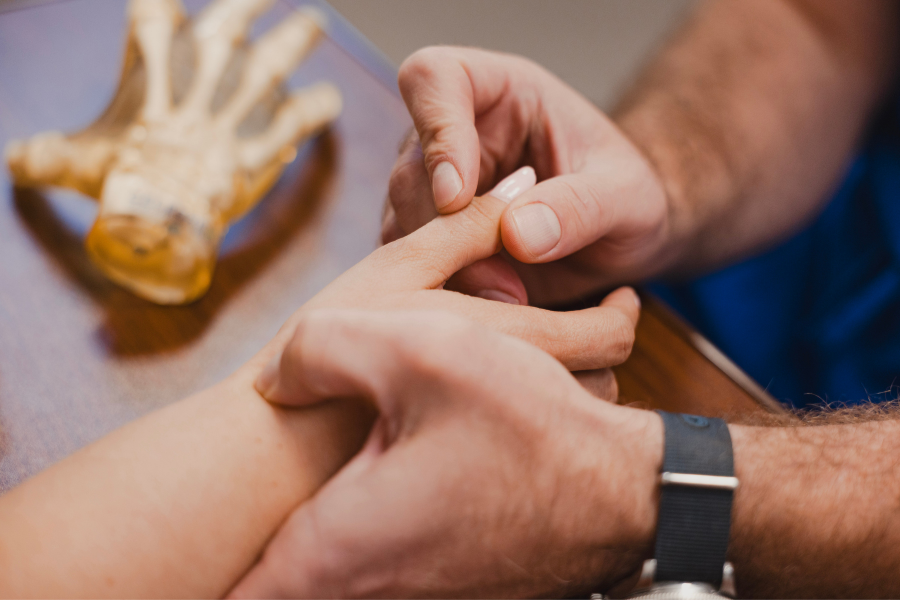
A fracture can bring your regular routine to an abrupt stop. Whether the injury happened at work, during a sport, in a fall, or while handling an everyday task, one of the first questions you may have is, “When can I safely get back to normal?”
There isn’t one recovery timeline that applies to every broken bone. The location and severity of the fracture, your treatment, your overall health, and the activity you want to resume all influence when it is safe to return.
Feeling better is an encouraging sign, but reduced pain doesn’t always mean the bone has completely healed. Returning too soon can place unnecessary stress on the injured area, while remaining inactive longer than needed may contribute to stiffness, weakness, and reduced mobility.
At Summit Orthopaedics, we evaluate fractures and help patients throughout Idaho Falls and Eastern Idaho move through each stage of recovery. Our goal is to protect the healing bone while helping you regain the strength, movement, and confidence needed to return to the activities that matter to you.
How Long Does It Take for a Fracture to Heal?
Every fracture follows its own healing process. Some uncomplicated fractures may improve within several weeks, while displaced, complex, or severe fractures can require several months of treatment and rehabilitation.
The body begins repairing a broken bone soon after the injury occurs. New tissue forms around the fracture, gradually hardens, and continues remodeling over time. However, the bone may not be ready for running, lifting, climbing, or contact sports as soon as your pain begins to decrease.
That’s why we don’t determine readiness based on a calendar alone. Through our sports injuries care, we evaluate the original injury, current imaging, physical function, and demands of the activity you want to resume.
Factors that may influence fracture recovery include:
- The bone that was fractured
- The location and pattern of the break
- Whether the bone remained aligned or became displaced
- Whether the fracture extended into a joint
- The amount of surrounding muscle, tendon, or ligament damage
- Whether surgery was required
- Your age and general health
- Bone strength and circulation
- The physical demands of your work or sport
- How the injury responds to treatment
A finger fracture and a weight-bearing leg fracture don’t create the same challenges. Returning to a desk job is also very different from returning to construction work, competitive athletics, or long-distance running.
Why Feeling Better Doesn’t Always Mean the Bone Has Healed
Pain relief can make it tempting to resume activity, but symptoms provide only part of the picture. Swelling may decrease, and everyday movements may become more comfortable before the fracture has regained enough strength for unrestricted use.
Some patients also learn to compensate for an injury by shifting weight, changing how they walk, or relying more heavily on another part of the body. These adjustments can make the injured area seem more capable than it truly is.
During follow-up visits, we may evaluate:
- Tenderness near the fracture
- Swelling
- Joint motion
- Muscle strength
- Balance and coordination
- Weight-bearing tolerance
- Stability
- Walking mechanics
- Function during activity-specific movements
When appropriate, advanced digital imaging helps us evaluate bone alignment and healing progress. These images allow our orthopaedic specialists to compare changes over time and determine whether the fracture appears stable enough for the next phase of recovery.
.png)
What Does Medical Clearance After a Fracture Involve?
Medical clearance means more than hearing that the fracture “looks better.” It means we’ve assessed whether the bone and surrounding tissues are prepared to handle the forces involved in your next level of activity.
During a follow-up appointment, we may review your symptoms, examine the injured area, evaluate new imaging, and assess your functional progress.
Depending on the injury, we may look for:
- Evidence of continued bone healing
- Stable alignment
- Reduced tenderness
- Functional range of motion
- Adequate muscle strength
- Safe balance and coordination
- Appropriate weight-bearing ability
- Proper use of braces, boots, crutches, or other supports
- Control during movements related to your work or sport
Clearance may also include temporary restrictions. You may be ready for walking or low-impact exercise without being ready for jumping, heavy lifting, contact sports, or repetitive physical work.
Returning to Activity Is Usually a Gradual Process
After several weeks of limited movement, it’s rarely appropriate to jump straight back into your previous routine. A safe return usually happens in stages, with each stage placing slightly more demand on the healing bone and nearby muscles and joints.
A medically directed progression may include:
- Protected or assisted movement
- Gradually increased weight bearing
- Range-of-motion treatment
- Supervised strengthening
- Balance and coordination training
- Low-impact conditioning
- Controlled work-related movements
- Sport-specific exercises
- Modified participation
- Full unrestricted activity
Not every patient follows the same sequence. We tailor each plan to the fracture, the treatment provided, current healing, and the activity you need to resume.
Progressing gradually also allows us to identify problems before they become more serious. If pain, swelling, weakness, or instability increases during a particular stage, we can reassess the plan and determine whether additional treatment is needed.
When Can You Walk After a Leg or Foot Fracture?
The ability to walk safely depends on which bone was broken, the stability of the fracture, and whether treatment involved a cast, boot, brace, or surgery.
Some fractures allow early protected weight bearing. Others require a period during which little or no weight can be placed on the injured limb. Putting weight on a fracture too early could alter alignment, affect surgical hardware, or slow the healing process.
We may recommend supportive equipment during different stages of recovery. custom orthotics may help provide stability, protect vulnerable structures, improve alignment, or support a safer transition back to regular movement when appropriate.
Before advancing your walking activity, we may evaluate whether you can:
- Place weight through the limb safely
- Walk without significant pain
- Maintain balance
- Avoid a pronounced limp
- Control the hip, knee, ankle, and foot
- Tolerate activity without worsening swelling
- Move safely without relying on compensation patterns
Walking farther isn’t always the most important first goal. Restoring a controlled and balanced walking pattern may be more valuable than adding distance too quickly.
When Can Athletes Return to Sports After a Fracture?
Athletes often feel pressure to return quickly, especially during an active season. However, returning before the bone and surrounding tissues are ready can increase the risk of reinjury and affect long-term performance.
Sports place forces on the body that everyday movement may not. Sprinting, jumping, cutting, throwing, tackling, and landing can create substantial stress on a recently healed fracture.
Before clearing an athlete, we may consider:
- Bone healing
- Pain and swelling
- Joint mobility
- Strength compared with the uninjured side
- Balance
- Agility
- Coordination
- Sport-specific demands
- Risk of contact or collision
- Whether protective equipment is appropriate
An athlete may return to conditioning or controlled practice before receiving clearance for full competition. For children and teenagers, we also consider growth plates and the needs of developing bones.
The goal isn’t simply to get someone back onto the field. We want athletes to return with the strength, control, and confidence needed to perform safely.
When Can You Return to Work After a Fracture?
Your return-to-work timeline depends heavily on your job duties. Someone in a seated position may be able to return with restrictions sooner than someone whose work involves lifting, climbing, carrying, gripping, driving, or operating heavy equipment.
Through our work-related injury care, we evaluate work-related fractures and other orthopaedic injuries while helping patients understand appropriate treatment, physical limitations, and recovery expectations.
Possible work restrictions may address:
- Lifting limits
- Standing or walking duration
- Repetitive hand use
- Climbing
- Driving
- Overhead work
- Pushing or pulling
- Use of the injured limb
- Required rest periods
- Temporary modified duties
Returning with modified responsibilities may allow you to remain productive without placing unsafe demands on the healing area. These restrictions should be based on an orthopaedic evaluation rather than assumptions about what the injury can tolerate.
How Rehabilitation Supports a Safe Return
A healed bone is only one part of a complete recovery. Immobilization and reduced activity can affect muscles, joints, tendons, balance, endurance, and movement patterns.
That’s why rehabilitation may remain important even after imaging shows meaningful bone healing. A structured recovery plan can help restore the function you need for daily life, work, exercise, and recreation.
Depending on your injury, recovery may focus on:
- Restoring joint mobility
- Rebuilding muscle strength
- Improving balance
- Correcting altered walking patterns
- Regaining grip or hand function
- Increasing endurance
- Restoring coordination
- Preparing for job-specific movements
- Preparing for sport-specific demands
Our nonsurgical orthopedics approach emphasizes appropriate conservative treatment whenever it can provide effective support. Non-invasive care may play an important role in initial fracture management and in the transition back to normal activity.
What Can Delay Fracture Recovery?
Even when treatment begins promptly, some fractures take longer to heal than expected. A longer recovery doesn’t necessarily mean treatment has failed. It may mean that the healing plan needs to be adjusted based on how the body is responding.
Factors that may delay progress include:
- A complex or displaced fracture
- Significant soft-tissue damage
- Infection
- Reduced circulation
- Poor bone quality
- A fracture involving a joint
- A history of injury in the same area
- Difficulty maintaining bone alignment
- Persistent swelling or tenderness
- Limited strength or mobility
- Additional health conditions
- Returning to demanding activity too early
Patients with osteoporosis or other conditions affecting bone strength may need additional evaluation. Our arthritis and osteoporosis care helps us identify factors that may affect healing, mobility, and future fracture risk.
Understanding the condition of the bone can be especially important for older adults, patients with fragility fractures, and people who have experienced more than one fracture from a relatively minor incident.
.png)
Warning Signs That Require Further Evaluation
Fracture recovery isn’t always a straight line. Some stiffness and discomfort may occur as activity increases, but new or worsening symptoms shouldn’t be ignored.
Contact our team if you experience:
- Increasing pain
- New or worsening swelling
- Redness, warmth, or drainage
- Fever following surgery
- Numbness or tingling
- A change in skin color
- Loss of movement
- A new deformity
- A feeling that the injured area is unstable
- Sudden difficulty bearing weight
- Symptoms that worsen after initially improving
A fracture can also involve surrounding muscles, ligaments, tendons, nerves, or joints. Our musculoskeletal injury services allow us to evaluate the broader source of pain, weakness, instability, or reduced function.
Prompt evaluation may help us identify delayed healing, a secondary injury, a problem with alignment, or another condition that requires attention.
Fractures That Require Surgery May Follow a Different Timeline
Some fractures can heal with immobilization and monitoring. Others require surgery to restore alignment, improve stability, or protect the function of a nearby joint.
Surgical treatment may involve plates, screws, rods, pins, or other devices that hold the bone in position while it heals. Although fixation can stabilize a fracture, it doesn’t mean the bone is immediately prepared for unrestricted activity.
When surgery is appropriate, minimally invasive orthopedic surgery may provide treatment options designed to limit disruption to surrounding tissues. The proper approach depends on the fracture, its location, and the needs of the individual patient.
Following surgery, we may monitor:
- The incision
- Bone healing
- Hardware position
- Swelling
- Joint motion
- Muscle strength
- Weight-bearing ability
- Functional progress
Activity restrictions remain important until our team confirms that the fracture and surgical repair can safely tolerate additional force.
Move Forward With a Personalized Fracture Recovery Plan
A fracture can temporarily change how you work, exercise, travel, and manage everyday responsibilities. You shouldn’t have to guess when the injured area is ready for more activity.
At Summit Orthopaedics, we provide specialized fracture evaluation, advanced imaging, individualized treatment, and clear return-to-activity guidance for patients in Idaho Falls and throughout Eastern Idaho.
We look at where you are in the healing process, what activities you need to resume, and what your body must be able to do before you move forward. Our goal is to help you return safely rather than simply return quickly.
Whether you have a new fracture, ongoing symptoms, or questions about returning to work, sports, or daily activity, contact us to schedule an appointment. Our team can evaluate your progress, explain your next steps, and help you move toward recovery with greater confidence.
Related Questions
Can a healed fracture hurt when the weather changes?
Some patients notice occasional aching or stiffness around an old fracture during changes in temperature or air pressure. Persistent or worsening pain should be evaluated.
Will a broken bone always be weaker afterward?
A properly healed fracture can regain substantial strength. Long-term function depends on alignment, injury severity, surrounding tissue health, rehabilitation, and whether complications occurred.
Can children return to recess after a fracture?
Children should return only after receiving specific medical clearance. Running, climbing, falls, and contact with other children can place significant stress on a healing bone.
Do plates and screws need to be removed before returning to sports?
Orthopaedic hardware often remains in place. Whether removal is appropriate depends on the location, symptoms, fracture healing, and demands of the sport.
Related FAQs
Some patients notice occasional aching or stiffness around an old fracture during changes in temperature or air pressure. Persistent or worsening pain should be evaluated.
A properly healed fracture can regain substantial strength. Long-term function depends on alignment, injury severity, surrounding tissue health, rehabilitation, and whether complications occurred.
Children should return only after receiving specific medical clearance. Running, climbing, falls, and contact with other children can place significant stress on a healing bone.
Orthopaedic hardware often remains in place. Whether removal is appropriate depends on the location, symptoms, fracture healing, and demands of the sport.
Need more information?
Our team is ready to answer your specific questions and concerns
Related Posts


Schedule an Appointment
Don’t let pain or injury limit your life. Whether you need expert evaluation, advanced treatment, or a caring team to guide you, Summit Orthopaedics is here for you. Contact us today to schedule an appointment at our Idaho Falls office.
Heading
Lorem ipsum dolor sit amet, consectetur adipiscing elit. Suspendisse varius enim in eros elementum tristique. Duis cursus, mi quis viverra ornare, eros dolor interdum nulla, ut commodo diam libero vitae erat. Aenean faucibus nibh et justo cursus id rutrum lorem imperdiet. Nunc ut sem vitae risus tristique posuere.