

Best Winter Exercises To Help Reduce Joint Pain
Summit Orthopaedics explains winter exercises and movement strategies that may help reduce joint pain and improve mobility.
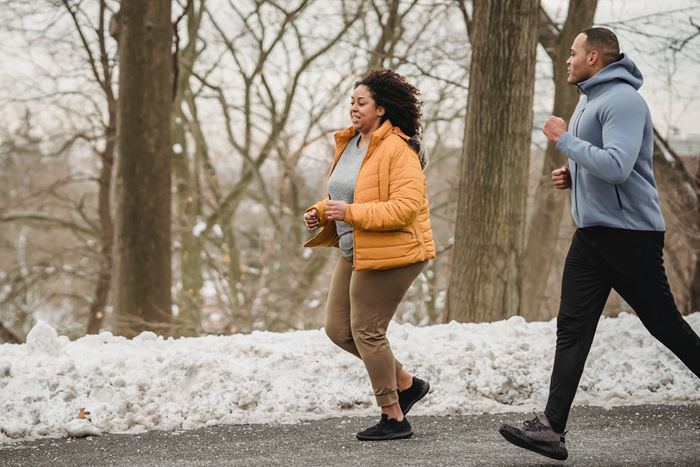
Winter weather can make joint pain feel worse for many people. Stiff knees, sore hips, aching shoulders, and painful hands are all common complaints once temperatures begin to drop in Idaho Falls. Cold weather often causes muscles and joints to tighten, making movement more uncomfortable and daily activities more difficult.
At Summit Orthopaedics, we regularly help patients manage seasonal joint discomfort caused by arthritis, inflammation, prior injuries, and chronic musculoskeletal conditions. The good news is that staying active during winter can actually help reduce stiffness and improve mobility when done safely.
Choosing the right exercises and keeping your joints warm can make a major difference in how your body feels throughout the colder months.
Why Joint Pain Often Gets Worse in Winter
Many people notice increased joint discomfort during winter, especially those living with arthritis or previous joint injuries. While researchers are still studying the exact connection between weather and pain, several factors may contribute to winter stiffness and soreness.
Cold temperatures can reduce circulation to the extremities, causing muscles and joints to tighten. Lower activity levels during winter may also contribute to stiffness, reduced flexibility, and weaker muscles that support the joints.
For patients with arthritis, inflammation inside the joints may become more noticeable when temperatures drop. Common symptoms often include:
- Joint stiffness
- Reduced mobility
- Swelling
- Muscle tightness
- Increased soreness during movement
Fortunately, regular movement and low-impact exercise can often help improve circulation, strengthen muscles, and reduce pressure on painful joints.
Understanding What Causes Joint Pain
Joint pain can develop from many different conditions and injuries. Some patients experience discomfort from normal aging and cartilage wear, while others may develop pain from overuse injuries, inflammation, or autoimmune disorders.
One of the most common causes of chronic joint pain is arthritis, a condition involving inflammation and degeneration inside the joints. Healthy joints rely on cartilage and fluid-filled structures that help bones glide smoothly during movement.
As cartilage deteriorates or inflammation develops, joints may begin rubbing together more directly, leading to pain, stiffness, and swelling.
Common causes of joint pain may include:
- Osteoarthritis
- Rheumatoid arthritis
- Sports injuries
- Overuse conditions
- Tendon inflammation
- Previous fractures
- Muscle weakness
Strengthening the muscles surrounding the joints is one of the best ways to improve stability and reduce stress placed on painful areas.
The Importance of Low-Impact Exercise
Not all exercise affects the body the same way. High-impact activities like running or jumping place additional stress on the joints, which may worsen discomfort for some individuals during winter.
Low-impact exercises allow patients to stay active while reducing repetitive force placed on the knees, hips, ankles, and spine.
Low-impact movement may help:
- Improve circulation
- Increase flexibility
- Reduce stiffness
- Strengthen supporting muscles
- Maintain joint mobility
- Support balance and coordination
At Summit Orthopaedics, we often encourage patients with joint pain to modify activities rather than stop exercising completely. Staying active safely is usually better for long-term joint health than prolonged inactivity.
Keep Your Joints Warm During Activity
One of the simplest ways to reduce winter joint pain is keeping the body warm before and during exercise. Warm muscles and joints typically move more comfortably and efficiently than cold, stiff tissues.
Layering clothing properly during outdoor activities can help preserve body heat and reduce discomfort. Many patients also benefit from warming up indoors before heading outside.
Helpful strategies may include:
- Wearing insulated layers
- Using gloves and warm socks
- Stretching before activity
- Avoiding long periods in freezing temperatures
- Staying hydrated during exercise
Even mild movement before activity can improve circulation and help prepare the joints for exercise more comfortably.
Walking for Better Joint Mobility
Walking is one of the simplest and most effective exercises for supporting joint health during winter. Regular walking helps maintain flexibility while strengthening muscles that support the hips, knees, and ankles.
Patients often underestimate how important simple movement can be. Avoiding activity completely may actually increase stiffness over time.
Walking may help improve:
- Joint lubrication
- Muscle strength
- Balance
- Cardiovascular health
- Flexibility
During winter, supportive footwear becomes especially important to reduce slipping risks and provide proper cushioning for the joints. Patients should also dress warmly to help maintain comfortable muscle and joint function outdoors.
Even short daily walks can make a meaningful difference in reducing stiffness and maintaining mobility.
Why Yoga Can Help Joint Pain
Yoga is another excellent low-impact exercise option for patients dealing with winter joint pain. Yoga combines stretching, balance, flexibility, and strengthening exercises while remaining gentle on the joints.
Many patients find that yoga helps improve:
- Muscle flexibility
- Core strength
- Balance and stability
- Posture
- Stress management
- Joint mobility
One major advantage of yoga is its adaptability. Exercises can often be modified based on comfort level, mobility restrictions, and physical limitations.
Tight muscles often increase stress on the joints. Stretching and strengthening through yoga may help improve overall movement patterns while reducing stiffness.
Even short stretching sessions performed consistently throughout the week can help patients feel more mobile during colder months.
Indoor Cycling and Stationary Biking
For patients looking for cardiovascular exercise without significant joint strain, cycling can be an excellent option during winter.
Unlike running, biking does not involve repetitive impact against hard surfaces. This reduces stress placed on the knees, hips, and ankles while still allowing patients to improve endurance and circulation.
Indoor stationary bikes and cycling classes can provide convenient exercise options during snowy Idaho winters. Cycling may help support:
- Joint-friendly cardio exercise
- Muscle endurance
- Leg strength
- Circulation
- Overall heart health
Many patients with arthritis or knee discomfort find biking more comfortable than other forms of aerobic exercise.
As always, proper bike setup and posture are important for minimizing unnecessary strain during exercise.
Cross-Country Skiing and Snowshoeing
Winter activities can still be enjoyable for patients with joint pain when appropriate exercises are chosen carefully. Cross-country skiing and snowshoeing are both excellent low-impact outdoor activities that allow patients to stay active while enjoying Idaho’s winter scenery.
Unlike downhill skiing, cross-country skiing generally involves smoother, more controlled movement patterns that place less aggressive strain on the joints.
These activities may help improve:
- Endurance
- Balance
- Coordination
- Leg strength
- Cardiovascular fitness
Patients should still warm up properly, stretch before activity, and dress appropriately for cold weather conditions.
Choosing flatter terrain and moderate distances may help reduce unnecessary joint stress during winter recreation.
Listen to Your Body During Exercise
While movement is beneficial for joint health, it is important to recognize when pain may signal a more serious issue. Mild muscle soreness after exercise is common, but sharp pain, swelling, instability, or worsening inflammation should not be ignored.
Patients should modify activities or seek medical evaluation if they experience:
- Significant swelling
- Sudden sharp pain
- Joint instability
- Difficulty bearing weight
- Persistent discomfort after activity
At Summit Orthopaedics, we help patients identify safe exercise options based on their individual condition, mobility level, and long-term goals.
Stay Active and Comfortable This Winter
Winter joint pain can make staying active more difficult, but avoiding movement entirely often leads to even greater stiffness and discomfort. The right combination of low-impact exercise, stretching, strengthening, and cold-weather preparation can help many patients move more comfortably throughout the season.
At Summit Orthopaedics in Idaho Falls, we provide expert care for arthritis, sports injuries, joint pain, and musculoskeletal conditions. Whether you need help managing chronic discomfort or recovering from an injury, our experienced team is here to help you stay active year-round.
If winter joint pain is limiting your mobility or affecting your quality of life, contact Summit Orthopaedics today to schedule an evaluation and learn more about personalized treatment options.
Related Questions
Why Does Cold Weather Make Joint Pain Worse?
Cold temperatures may contribute to muscle tightness, reduced circulation, and increased joint stiffness, especially for patients with arthritis.
What Exercises Are Best for Joint Pain in Winter?
Low-impact activities such as walking, yoga, cycling, and cross-country skiing are often recommended for supporting joint health.
Is Exercise Safe if I Have Arthritis?
Yes. Regular low-impact exercise can help improve flexibility, strengthen muscles, and reduce stiffness for many arthritis patients.
How Can I Keep My Joints Warm During Winter Exercise?
Layered clothing, warm-up exercises, gloves, insulated footwear, and staying active can help keep joints warmer during cold weather.
Related FAQs
Cold temperatures may contribute to muscle tightness, reduced circulation, and increased joint stiffness, especially for patients with arthritis.
Low-impact activities such as walking, yoga, cycling, and cross-country skiing are often recommended for supporting joint health.
Yes. Regular low-impact exercise can help improve flexibility, strengthen muscles, and reduce stiffness for many arthritis patients.
Layered clothing, warm-up exercises, gloves, insulated footwear, and staying active can help keep joints warmer during cold weather.
Need more information?
Our team is ready to answer your specific questions and concerns
Related Posts


Schedule an Appointment
Don’t let pain or injury limit your life. Whether you need expert evaluation, advanced treatment, or a caring team to guide you, Summit Orthopaedics is here for you. Contact us today to schedule an appointment at our Idaho Falls office.