

%20(1).png)
Get Back to Living with a Lumbar Disc Replacement
Dr. Johnson is one of the only physicians in the world who can perform lumbar disc replacement which is a superior alternative to spinal fusion that preserves motion, reduces complications, and gets patients back on their feet faster.
What is a Lumbar Disc Replacement?
Lumbar disc replacement (also called lumbar disk arthroplasty) is a surgical procedure that removes a damaged or degenerated disc in the lower spine (lumbar region) and replaces it with an artificial disc device, typically made of metal or a combination of metal and medical-grade plastic.

Life-long Benefits with One Surgery
Fusion isn't the only option. Lumbar disc replacement has better recovery rates, no loss in mobility, and gets patients back to their lives faster (and in better condition).
No loss in range-of-motion
No recurring backpain or recurring treatments
Return to activities without restrictions in less then 6 months
Meet Dr. Johnson
Dr. Johnson found his passion for helping others with spine surgery from his own experiences of seeing how spinal injuries can impact people's quality of life, as he saw with his mother. She wasn't able to do a lot of the things that she enjoyed because of injuries she sustained in car accidents at a younger age and the surgeries that went with them.
Summit Orthopaedics averages +130 lumbar artificial disc replacements a year
Teaches disc replacements to surgeons
Wrote the chapter on lumbar in ADR's for Rothman and Simone (the primary textbook for spine surgeon training)
Lectures on lumbar disc replacements routinely both nationally and internationally
Performed the first 4-level keeled activ L in the world
Has performed disc replacements on professional athletes and regular individuals who just want to get back to life without the ramifications of fusions.

Treatment for Anyone, Everywhere
If you live outside of Idaho, you can still schedule a lumbar disc replacement with Dr. Johnson.
Screening
We'll interview you over the phone, review imaging, and potentially order eams to assure you're a good candidate.
Travel to Idaho
Once in Idaho, we'll review your imaging pathology, weigh pros and cons with you in person, and confirm your candidacy.
2-3 Day Stay in Idaho
After a 2-3 day stay in the hospital, we'll follow up with your care prior to you leaving to your home state. We'll then follow up with weekly phone visits and routine x-rays for the first few months with activity modification until radiographic proof of disc incorporation.
Recovery & Outlook
Most patients return to regular activities within 6 months and do not require further physical therapy or care. Unlike fusion patients, there are no further treatments.
Schedule an Appointment
Don’t let back pain or injury limit your life. Whether you need expert evaluation, advanced treatment, or a caring team to guide you, Summit Orthopaedics is here for you. Contact us today to schedule an appointment at our Idaho Falls office.
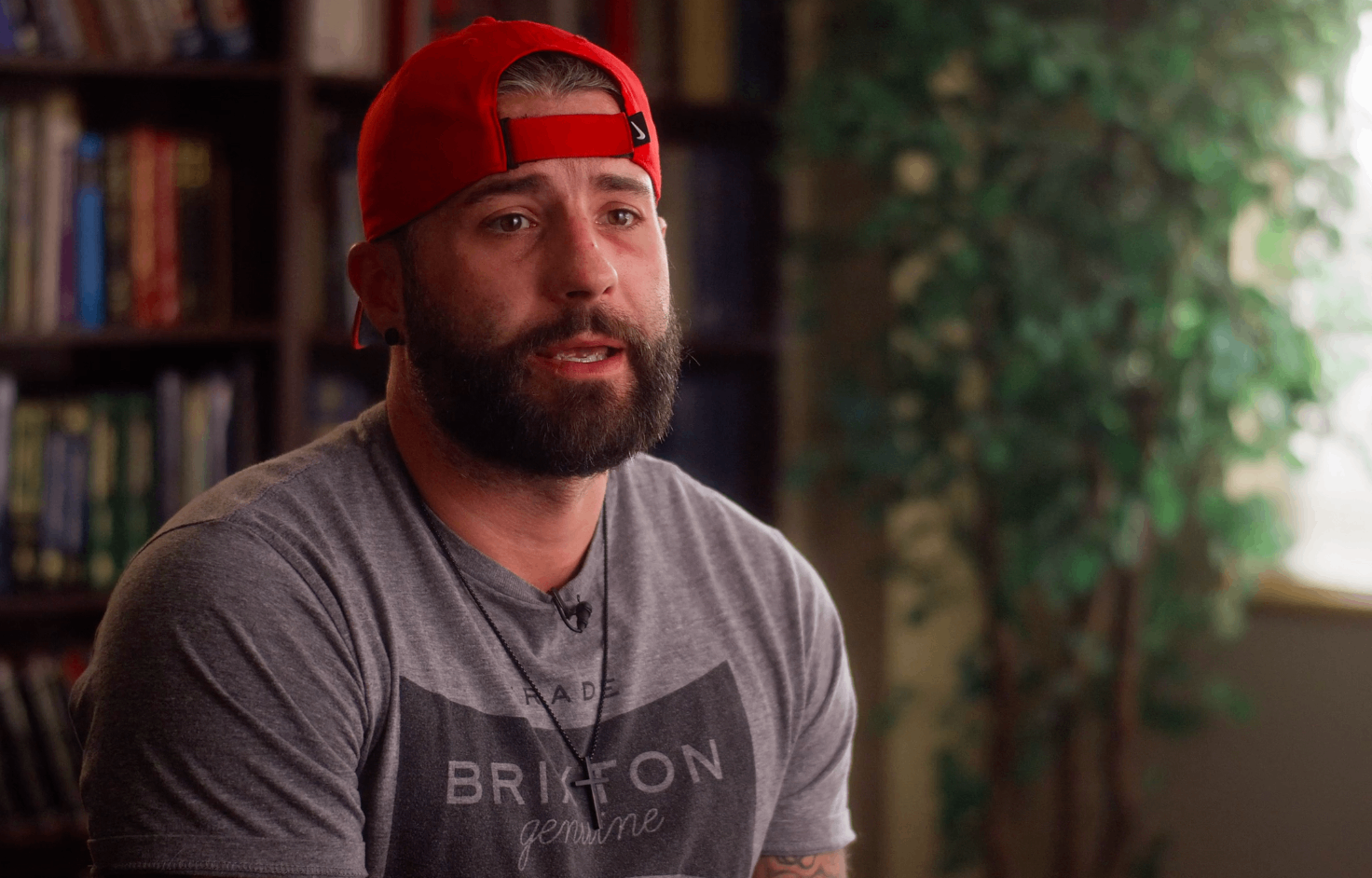
Jesse's Story
"I was envisioning myself at 80 years old still on the pain meds... I was actually reading a forum and this guy showed me Dr. Johnson. He says [Dr. Johnson is] the first doctor in the world to work with robotics and while putting the artificial discs in. I was like this sounds like my guy."
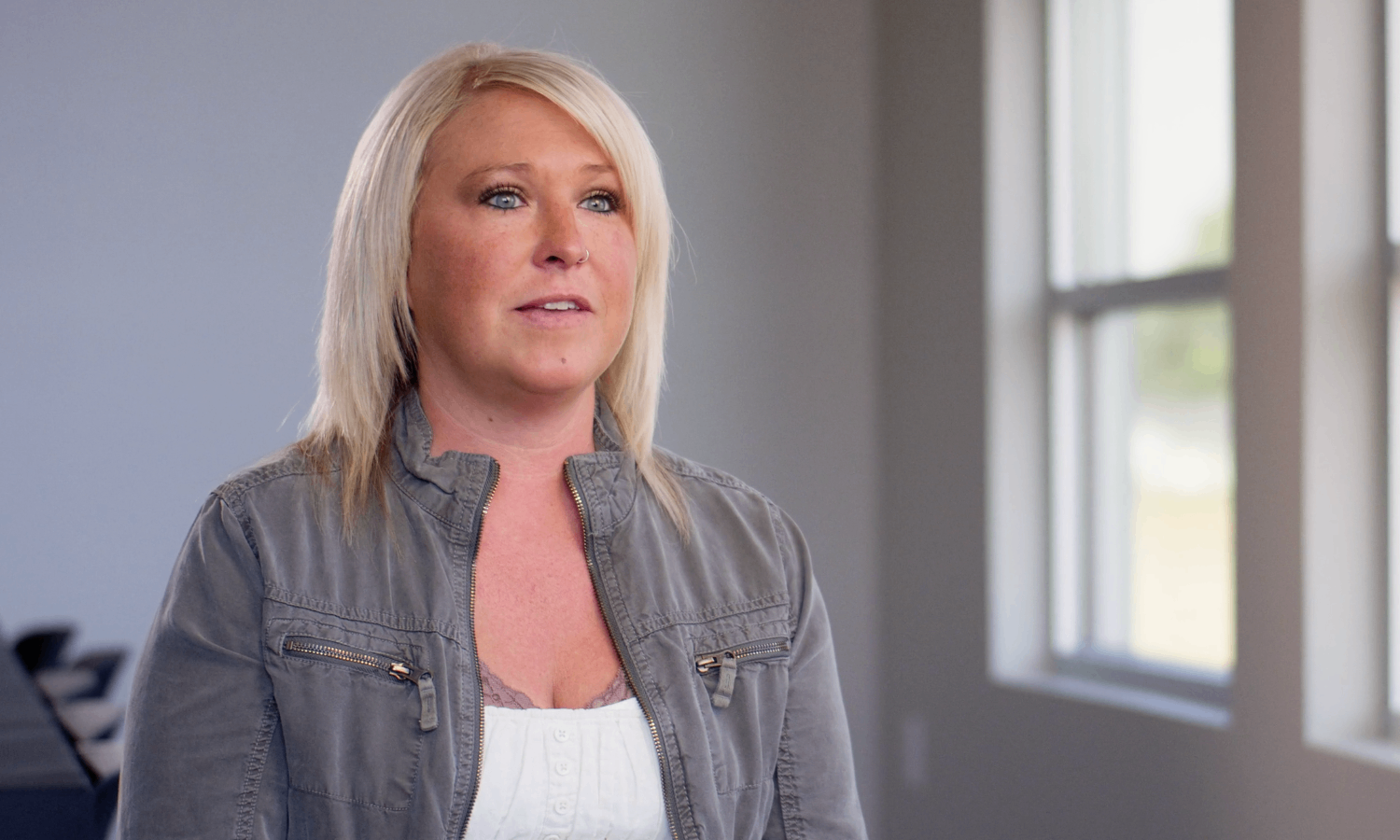
Megan's Story
"The artificial disc replacement with Dr. Johnson has changed my life. I really just have to say he took the time to hear me. He will sit in the room with you as long as you need him. Today, I am a whole new person. I don't know how I live for so long with the pain that I was experiencing."
Your Questions About Lumbar Disc Replacement, Answered
Common questions about lumbar disc replacement, Dr. Johnson's experience, and insurance coverage.
Disc replacement isn't new. It's been performed since the 1990s and has been used in patients ranging from professional athletes to everyday people who just want to pick up their grandkids without pain. It's a well-established alternative to fusion and not an experimental procedure.
The best way to know is a consultation, but there are only two absolute reasons someone wouldn't qualify: a fracture or structural defect in the spine, or bone quality that's too low to support the implant (and even that second issue can sometimes be reversed). Dr. Johnson reviews your imaging slice by slice during your consultation to explain exactly what's going on in your spine and walk you through your options.
Fusion permanently locks two vertebrae together, which stops them from moving. Disc replacement does the opposite: it preserves motion at that level of your spine. Because the joint keeps moving naturally, the discs above and below it aren't forced to work overtime, which is a major reason disc replacement patients tend to see fewer repeat surgeries, faster return to work, and higher satisfaction rates than fusion patients, both shortly after surgery and years down the road.
Most surgeons recommend fusion simply because it's what they were trained to do. Disc replacement requires a more precise understanding of spinal biomechanics and movement, and many surgeons were never taught the technique. That doesn't mean fusion is the wrong choice for everyone, but it does mean it's worth getting a second opinion from a surgeon who performs disc replacement regularly before assuming fusion is your only path.
Delaying treatment carries real risk. The longer chronic disc disease goes untreated, the more likely it is that disc replacement is no longer a viable option. At this point, fusion becomes the only surgical path left (along with its longer-term tradeoffs: increased reoperation rates, restricted lifelong activity, and a pain cycle that tends to return every few years as adjacent levels wear down). Many patients also delay simply out of fear of stereotypical fusion outcomes without realizing a motion-preserving option may still be available to them.
Most patients return to light-duty work with no lifting or impact restrictions around 6 weeks after surgery. By 6 months, most are back to full activity, and by 1 year, the goal is full activity with no restrictions at all. Throughout the first few months, you'll have weekly phone check-ins and routine X-rays to confirm the disc is healing properly before restrictions are lifted.
Yes! Dr. Johnson treats patients from out of state and works through a coordinated remote process designed around your travel. It starts with a phone interview and a remote review of your imaging, along with any additional testing that's needed to confirm you're a good candidate. You'll then come in person right before surgery for a final review of your imaging and options, followed by a 2-3 day stay near Idaho Falls after the procedure. Once you're home, recovery continues with weekly phone check-ins and routine X-rays for the first few months until your disc has fully healed.
Summit Orthopaedics routinely works with most insurance carriers, and disc replacement is becoming more widely accepted by insurance plans overall. Cash-pay patients are also welcome.
Patient Stories
Read testimonials from our patients below!