

Considering Spine Surgery? What You Need to Know First
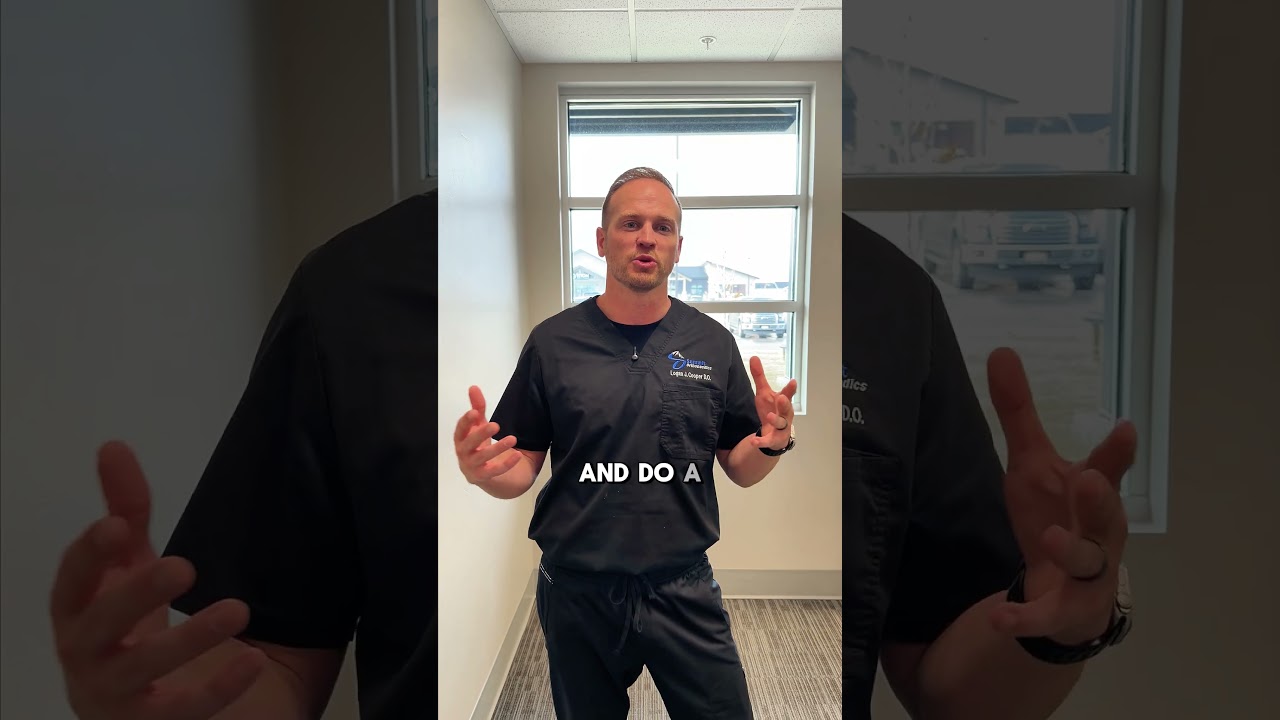
Dr. Robert Johnson is a spine surgeon at Summit Orthopaedics specializing in robotics‑assisted procedures and artificial disc replacement of the cervical and lumbar spine.
Description
Dr. Robert Johnson is a spine surgeon at Summit Orthopaedics specializing in robotics‑assisted procedures and artificial disc replacement of the cervical and lumbar spine. His passion for motion‑preserving surgery is personal, shaped by watching a family member live through the limitations of older fusion techniques.
In this video, he explains what disc replacement is, why it preserves motion, and how robotics improves precision and may reduce risk—so patients can recover faster and return to the activities they love.
If you’ve been told you need spine surgery or want a second opinion on your options, schedule a consult with Summit Orthopaedics in Idaho Falls at (208) 227‑1100 or visit summitortho.net.
Chapters
00:00 Meet Dr. Johnson and his focus
00:18 Why spine: a personal story
01:00 Disc replacement basics and history
01:38 ADR vs fusion: preserving motion
02:36 Faster recovery and return to life
02:56 Your options and next steps
Video Transcript
I’m Dr. Robert Johnson with Summit Orthopaedics. I specialize in spine care—especially robotics and artificial disc replacement for both the cervical and lumbar spine.
People often ask why I chose spine surgery. A big part of it comes from my family. When I was a child, my mother was in an accident. Back then, we didn’t have the technology we have today. The fusion surgery she received helped her, but it also came with short- and long-term trade-offs. Watching her live with those effects shaped my career: I want to help patients return to a normal, active life and keep doing what they love.
Patients also ask about artificial disc replacement—how long it’s been around and how it compares to fusion. There are a lot of misconceptions. In the U.S., disc replacement has been performed since the early 2000s, with additional devices approved over time, and it’s been used even longer in European studies and markets. Unlike a traditional fusion, a disc replacement preserves motion at the operated level. For the right patient and condition, outcomes can be equal to—or better than—fusion while helping maintain an active lifestyle.
Another focus of my practice is robotic spine surgery. Robotics helps us plan and execute with greater precision and accuracy, which can reduce certain risks and improve consistency. Combined with modern techniques like artificial disc replacement, we aim to help patients recover faster and get back to life sooner than with many traditional approaches.
If you’ve been told you need spine surgery or you’re unsure about your options, come see us at Summit Orthopaedics. We’ll walk you through what’s appropriate for your specific case and help you make a confident decision.
Video FAQs
Need more information?
Our team is ready to answer your specific questions and concerns
Related Posts


Schedule an Appointment
Don’t let pain or injury limit your life. Whether you need expert evaluation, advanced treatment, or a caring team to guide you, Summit Orthopaedics is here for you. Contact us today to schedule an appointment at our Idaho Falls office.