

Exercises To Strengthen Your Ankles And Help Prevent Future Injuries
Summit Orthopaedics explains ankle strengthening exercises that may help improve stability and reduce injury risk.

Ankle injuries are some of the most common orthopaedic problems people experience, especially among active individuals and athletes. A sprained or weakened ankle can make simple daily activities uncomfortable and may keep you away from exercise, sports, work, or hobbies for weeks at a time.
At Summit Orthopaedics in Idaho Falls, we often help patients recover from ankle injuries and improve long-term joint stability. The good news is that strengthening exercises can play a major role in reducing injury risk and improving ankle support before more serious problems develop.
Building strength, flexibility, and balance around the ankle joint may help lower the chances of repeated sprains, chronic instability, and even future ankle surgery in some cases.
Why Ankle Strength Matters
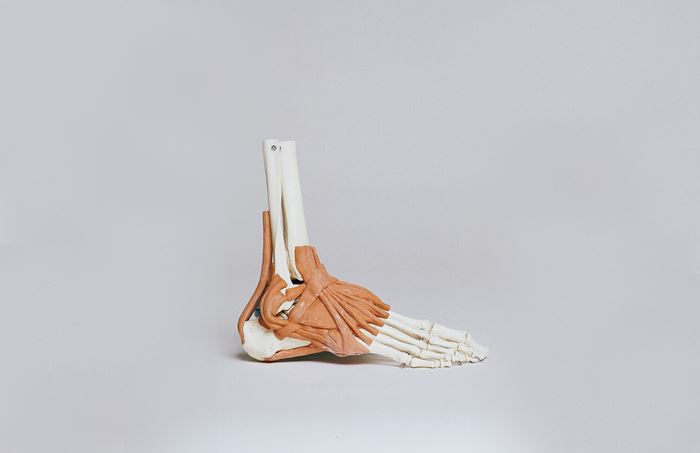
The ankle is a highly complex joint responsible for supporting body weight, balance, and movement throughout the day. It relies on bones, ligaments, tendons, muscles, and connective tissues working together properly to maintain stability.
Because the ankle absorbs significant stress during walking, running, jumping, and sports, it is especially vulnerable to injury when the surrounding muscles and ligaments become weak.
Common ankle injuries often occur during:
- Sports activities
- Sudden twisting motions
- Uneven terrain
- Jumping or landing incorrectly
- Falls or awkward steps
Even a single ankle sprain can weaken the supporting ligaments and increase the risk of future injuries if proper rehabilitation does not occur.
That is why strengthening and stabilization exercises are so important for long-term ankle health.
Understanding Common Ankle Injuries
One of the most common ankle injuries is an ankle sprain, which occurs when the ligaments supporting the joint become stretched or torn. Many sprains happen when the foot rolls inward unexpectedly, placing excessive stress on the outer ankle ligaments.
Some patients also experience what is commonly referred to as a high ankle sprain, which affects the ligaments located above the ankle joint. These injuries are often more severe and may require longer recovery periods.
Athletes participating in activities involving jumping, pivoting, or rapid directional changes may face a higher risk of ankle injuries, including:
- Basketball players
- Soccer athletes
- Dancers
- Gymnasts
- Runners
Repeated injuries may eventually lead to chronic ankle instability, pain, swelling, or cartilage damage if left untreated.
Why Repeated Ankle Sprains Are So Common
Unfortunately, ankle injuries tend to become more likely after the first sprain occurs. Once ligaments are stretched or damaged, the ankle may lose some of its natural stability and strength.
This can create a frustrating cycle where patients repeatedly “roll” or twist the ankle during routine activities.
Without proper rehabilitation, chronic ankle instability may increase the risk of:
- Additional sprains
- Tendon injuries
- Cartilage damage
- Arthritis
- Long-term mobility problems
Strengthening exercises help retrain the muscles and stabilizing structures around the ankle, improving balance and reducing unnecessary stress on weakened ligaments.
Flex and Stretch Exercises
One of the simplest ways to improve ankle mobility and flexibility is through controlled stretching exercises. Gentle stretching helps maintain range of motion while improving circulation and reducing stiffness.
A common flexibility exercise involves sitting or lying comfortably while pointing the toes away from the body and then pulling them back toward the shin in a slow, controlled motion.
These stretching movements may help:
- Improve flexibility
- Support circulation
- Reduce stiffness
- Strengthen surrounding muscles
- Increase mobility
Patients recovering from minor ankle injuries often benefit from performing gentle mobility exercises regularly throughout the week.
Consistency is often more important than intensity when it comes to flexibility training.
Single-Leg Balance Exercises
Balance training is one of the most effective ways to improve ankle stability and coordination. Standing on one foot challenges the muscles, ligaments, and tendons responsible for stabilizing the ankle joint.
Patients can begin by practicing balance on a stable surface before progressing to slightly unstable surfaces as strength improves.
Single-leg balance exercises may help improve:
- Joint stability
- Coordination
- Muscle control
- Reaction time
- Overall ankle strength
As balance improves, exercises can become more challenging by adding movement or performing activities while maintaining stability.
At Summit Orthopaedics, we frequently incorporate balance training into rehabilitation programs for patients recovering from sports injuries and chronic ankle instability.
Balance Board Training
Balance boards provide another excellent way to strengthen the ankle and improve joint control. These exercises force the ankle muscles to work continuously to maintain stability during movement.
Patients performing balance board exercises often focus on controlled squatting motions while keeping the board level and stable.
This type of training may help improve:
- Stability
- Lower leg strength
- Coordination
- Proprioception
- Injury prevention
Because balance board exercises can be more advanced, patients recovering from significant ankle injuries should consult an orthopaedic specialist or physical therapist before beginning these movements.
Ankle Mobility Exercises
Improving ankle mobility is an important part of maintaining healthy movement patterns and reducing injury risk. Mobility exercises help strengthen the ligaments and connective tissues responsible for guiding ankle motion.
One simple exercise involves tracing letters or shapes in the air using the foot and ankle. These controlled movements challenge the ankle through multiple directions while improving coordination and flexibility.
Mobility-focused exercises may support:
- Range of motion
- Ligament flexibility
- Muscle activation
- Joint awareness
- Circulation
Patients often underestimate how important mobility is for injury prevention and long-term ankle function.
Standing Calf Raises
The calf muscles play a major role in supporting ankle stability and lower leg strength. Weak calf muscles may contribute to poor balance and increased stress on the ankle joint.
Standing calf raises help strengthen both the calves and the muscles supporting the ankle.
This exercise typically involves slowly rising onto the toes and then lowering back down in a controlled motion. As strength improves, patients may progress to single-leg variations for additional difficulty.
Calf strengthening exercises may help improve:
- Ankle support
- Lower leg strength
- Stability during movement
- Walking mechanics
- Athletic performance
Strengthening the muscles surrounding the ankle often improves overall joint protection during physical activity.
The Importance of Early Treatment for Ankle Pain
While exercises can help improve ankle strength and stability, persistent ankle pain or repeated injuries should not be ignored. Ongoing instability may indicate underlying ligament damage, tendon injuries, cartilage problems, or other orthopaedic concerns.
Patients should seek professional evaluation if they experience:
- Frequent ankle sprains
- Swelling or instability
- Difficulty walking
- Persistent pain
- Limited range of motion
- Weakness during activity
Early treatment often improves long-term outcomes and may help prevent more serious complications that could eventually require surgery.
At Summit Orthopaedics, our team provides comprehensive evaluation and treatment for ankle injuries, sports injuries, arthritis, and chronic joint instability.
Protect Your Ankles and Stay Active
Strong, stable ankles are essential for maintaining mobility, balance, and an active lifestyle. Whether you enjoy sports, exercise, hiking, or simply staying active throughout daily life, ankle strength plays a major role in preventing injuries and supporting healthy movement.
At Summit Orthopaedics in Idaho Falls, we help patients improve ankle stability, recover from injuries, and avoid long-term complications through personalized orthopaedic care and rehabilitation programs.
If ankle pain, instability, or repeated sprains are affecting your mobility or quality of life, contact Summit Orthopaedics today to schedule a consultation and learn more about your treatment options.
Related FAQs
Repeated ankle sprains often occur because previous injuries weaken the supporting ligaments and reduce joint stability.
Strengthening and stabilization exercises may help reduce injury risk and improve ankle function, potentially lowering the likelihood of severe complications.
Results vary, but many patients notice improvements in balance and stability after several weeks of consistent exercise.
Yes. Balance exercises help strengthen stabilizing muscles and improve coordination, which may reduce the risk of future injuries.
Need more information?
Our team is ready to answer your specific questions and concerns
Related Posts
.png)

Schedule an Appointment
Don’t let pain or injury limit your life. Whether you need expert evaluation, advanced treatment, or a caring team to guide you, Summit Orthopaedics is here for you. Contact us today to schedule an appointment at our Idaho Falls office.