

Meet Dr. Nathan Rencher - Sports Medicine Orthopedic Surgeon in Idaho Falls
Meet Dr. Nathan Rencher, DO — a board-certified orthopedic surgeon at Summit Orthopaedics in Idaho Falls, fellowship trained in sports medicine and arthroscopy.
Description
Meet Dr. Nathan Rencher, DO — a board-certified orthopedic surgeon at Summit Orthopaedics in Idaho Falls, fellowship trained in sports medicine and arthroscopy.
Dr. Rencher is an Idaho Falls native. He ran hurdles at Ricks College and then at BYU, where he competed at the collegiate level. He got hurt. He had surgery. He sat out seasons. The doctors who got him back on the track are the reason he does this work today — and it's why he understands what an injury actually costs an athlete.
In this video, Dr. Rencher explains his approach to every patient he meets. There are two things he cares about: pain and function. Anything that lowers one and improves the other is a success — and that often doesn't mean surgery. Sometimes it's simple exercises or correcting a muscle imbalance. Sometimes it's an injection, formal physical therapy, or anti-inflammatories. Sometimes surgery is the right call. The goal never changes.
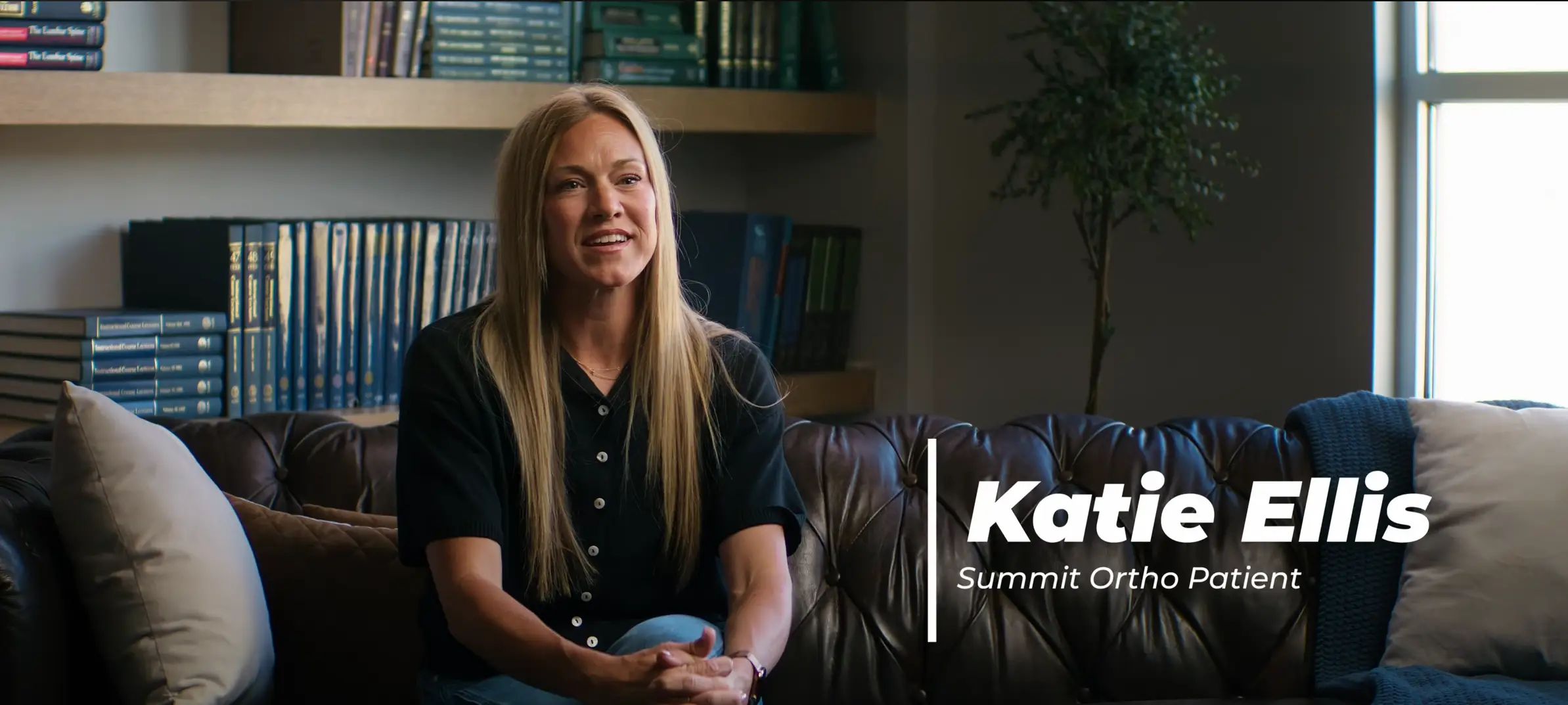
He also shares the case of Katie, a mom of four and multi-time Boston Marathon runner who came to him convinced her running career was over. After surgery and rehab, she's running marathons around the world.
Dr. Rencher treats athletes at every level, along with anyone who wants to stay active — and when he's not in the clinic, you'll find him skiing, boating, hiking, and climbing with his family.
Video Transcript
Dr. Nathan Rencher, DO — Orthopedic Surgeon, Summit Orthopaedics [0:00]
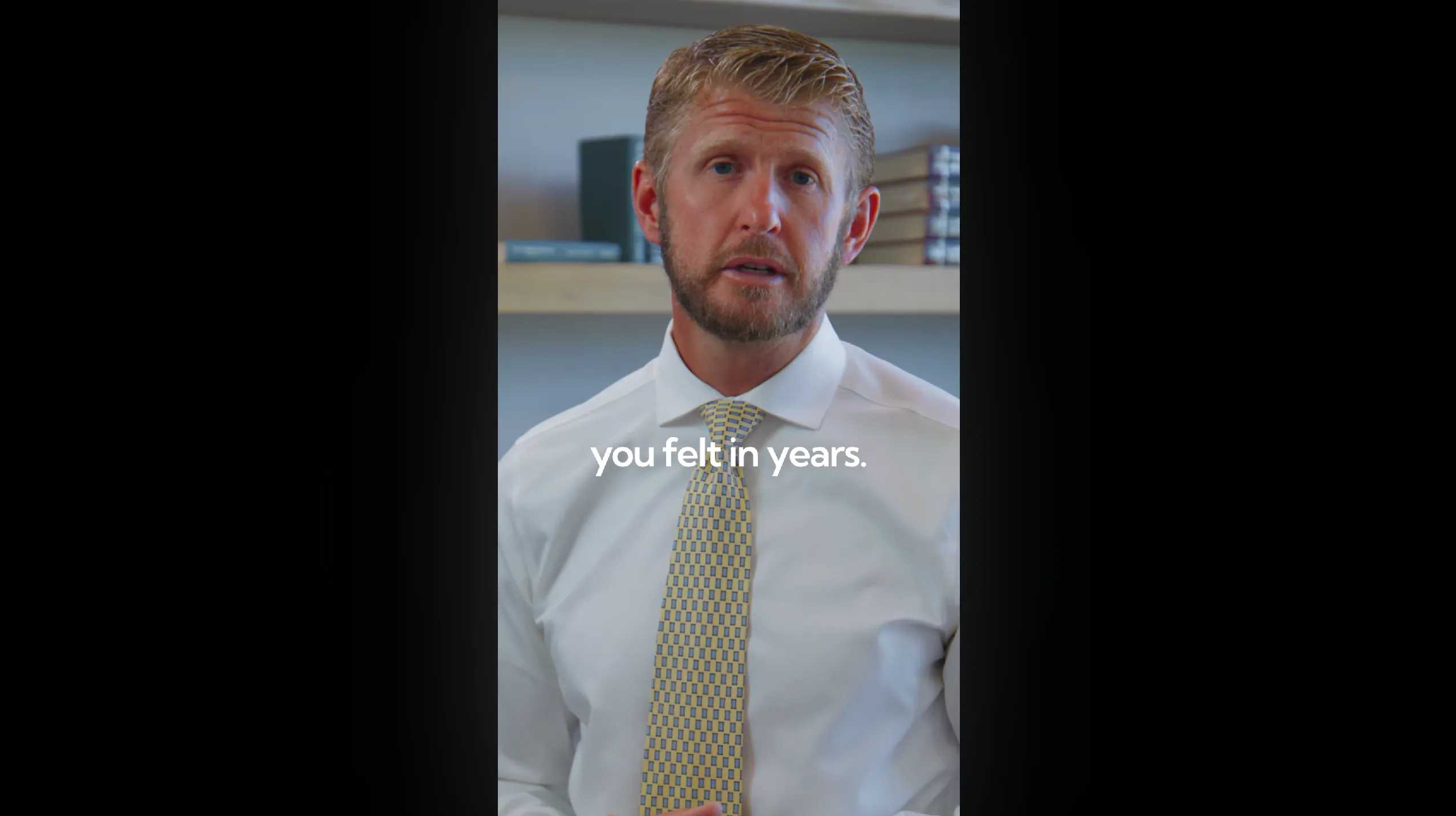
My name is Nate Rencher. I'm an orthopedic surgeon in Idaho Falls, Idaho, who specializes in sports medicine. That means I did an extra year of training just in sports, in arthroscopy. I love being active. I love doing those things in the mountains — skiing, water skiing, boating, hiking, climbing, all those things that we have so much access to in Idaho Falls. And I love sharing that with my kids.
Dr. Rencher [0:23]
I went to Ricks College back when it was Ricks, in Rexburg, Idaho. And then I went to BYU in Provo, and I ran track at the collegiate level. I'm a hurdler, and I met a lot of doctors who helped me achieve my goals when I got hurt or injured and helped me get back on the track as quickly as possible. I realized I really like helping athletes — and I think that goes for everyone else too, because staying active is what we want to do.
Dr. Rencher [0:47]
There's two things that I really care about when I meet a patient: their pain and their function. So whatever we can do to decrease their pain and improve their function is a success. Now, that does not mean you always have to have surgery.
Dr. Rencher [1:03]
Sometimes simple exercises, or muscle imbalances that require a simple treatment protocol, is all they need to improve their function and decrease their pain. Sometimes it's more invasive — sometimes you need an injection or formal physical therapy or anti-inflammatories. And in some cases you also need surgery. But the main goal is still the same: what can we do together to improve upon your function and to make your pain less, so that you can live an active lifestyle and achieve the things that you want to do?
Katie — Patient [1:30]
Running was my outlet as a mom of four young kids, and I actually was pretty competitive at it. I've run the Boston Marathon several times. I went on a 10-mile run, and I was actually on my way out to Palisades. When I got out of the car, I just noticed that my knee was stiff, and I looked down and it was like double the size that it should have been. So when I got back from that weekend, I contacted another doctor and got an MRI, and she told me I needed to see Dr. Rencher.
Dr. Rencher [2:04]
When I saw Katie and I was thinking about her case, it made me remember a lot of my case, too. I competed at the collegiate level in track, and I did have surgery and I was out for seasons. It hurt me so much that I could not compete. I could feel that same pain from her — here I am a runner, she's a runner, she can't compete, and she's upset and angry and sad, and she thought that maybe her career was over, that she couldn't run anymore.
Dr. Rencher [2:29]
So I really thought, what can we do to help her so she can accomplish these goals? So we did this surgery. Things went great. She did a great job. She rehabbed really well, and now she's back running marathons all over the world. She runs in Berlin, she runs in London, and her time is fantastic.
Katie [2:47]
And this last fall I went and ran Berlin. I feel really good. I didn't know if I would ever marathon again. To be able to go and run three marathons — I just can't thank Dr. Rencher enough for getting me back to who I was, and who I am, and who I feel like I am.
Dr. Rencher [3:04]
Something I'm really passionate about is getting people back to what they love to do. I think that's very important, and sometimes small, seemingly insignificant things can stop that. But if there are simple things that we can do to maximize their function and minimize their pain to get them back to doing what they love to do — that's our goal.
Video FAQs
Need more information?
Our team is ready to answer your specific questions and concerns
Related Posts
.webp)
Schedule an Appointment
Don’t let pain or injury limit your life. Whether you need expert evaluation, advanced treatment, or a caring team to guide you, Summit Orthopaedics is here for you. Contact us today to schedule an appointment at our Idaho Falls office.